
Sure! Here Are 10 Unique Short Blog Headline Titles That Fit Your Request – Each Includes *“how-to”*, Uses Your Keywords, And Presents As A Guide –


Most of your readers expect concise, actionable how-to guidance, so you must craft headlines that promise a clear benefit, use your keywords to improve discoverability, and avoid misleading claims that harm trust; these 10 headline examples show you how to write titles that drive clicks while serving real value.
How to Improve Productivity
You can raise your output by structuring work, minimizing interruptions, and prioritizing tasks; build systems that keep your attention on high-value work and use how-to steps tailored to your role – avoid multitasking and long reactive email sessions that sap momentum. Any small, consistent change you make compounds into significant gains for your Improve Productivity.
Morning Routines
You shape your day by designing a Morning Routines that primes focus, combining short movement, clear priorities, and a tech-free start to protect deep work and boost positive momentum. Any consistent morning habit reduces decision fatigue and increases your ability to sustain focus.
Time Management Tips
You get more done when you block time, batch similar tasks, and set clear limits on meetings using reliable Time Management Tips and proven how-to tactics; avoid letting procrastination expand the work. Any deliberate boundary you set preserves focus and raises your output.
- how-to
- Improve Productivity
- Morning Routines
- Time Management Tips
You can apply specific techniques such as Pomodoro sprints, distinguishing MITs (most important tasks), and scheduling calendar blocking to protect focus; group emails and meetings into fixed slots to reduce context switching. Any planned cadence you adopt makes your workday predictable and more productive.
- how-to
- Improve Productivity
- Morning Routines
- Time Management Tips
How to Master Cooking
To master cooking, you build habits of planning, tasting, and refining techniques; practice mise en place, timing, and seasoning so your dishes are consistent. Focus on small, measurable improvements and deliberate practice so you develop confidence and dependable results in your kitchen.
Simple Recipes
You should start with simple recipes that teach technique and timing-fewer ingredients let you concentrate on texture, heat, and seasoning. Repeat a handful of reliable dishes to learn how flavors develop; these quick wins give rewarding progress and encourage you to tackle more complex preparations.
Cooking Techniques
Learn core techniques-knife work, sautéing, roasting, braising, and heat control-to expand your repertoire. Practice proper knife grip and consistent cuts, and respect hot oil and steam since they can cause serious burns. Short, focused drills increase your speed and precision.
For more depth, run timed exercises (pan heat tests, sear timing) and use an instant-read thermometer to check doneness. Emphasize knife safety and sanitation to prevent cross-contamination from raw poultry, and use repetition so your instincts for timing, seasoning, and emergency-safe handling become second nature.
How to Boost Fitness
To boost your fitness you should set measurable goals and combine strength, cardio, mobility, and planned recovery, using progressive overload to drive adaptation. Progressive overload and consistency are the most important drivers of lasting improvement; avoid overtraining and poor technique because they’re dangerous and increase injury risk. With steady effort you’ll gain more energy, better sleep, and increased strength.
Workout Plans
You should create a workout plan that fits your time and goals, alternating compound lifts, interval cardio, and mobility work across weekly cycles, and using 4-8 week blocks to progress. Make structured progression and consistency the backbone of your program; be aware that insufficient rest is dangerous to recovery and results, while steady adherence produces measurable strength and endurance gains.
Healthy Eating
You should support training with whole foods: lean protein, vegetables, fruits, whole grains, and healthy fats, and space meals to aid recovery. Emphasize balanced meals with adequate protein; excessive processed food is dangerous for performance and health, and aligning nutrition with training delivers faster recovery and improved body composition.
Adopt simple habits: meal planning, protein at each sitting, regular hydration, and varied produce for micronutrients; extreme calorie restriction or one-sided diets can cause deficiencies and impaired recovery-this is dangerous. Aim for moderate deficits or surpluses per your goal, and consider professional guidance when needed to protect progress and sustain consistent energy and muscle repair.
How to Enhance Writing
Elevate your prose by focusing on rhythm, precision, and the reader’s experience; you strengthen clarity and shape a compelling voice while enforcing logical structure. Edit to remove bias and vagueness, and add sensory details to make points vivid; that balance reduces the risk of sounding generic or producing unintended harm. Assume that you apply small, consistent changes every day to transform drafts into polished work.
- how-to
- enhance writing
- clarity
- voice
- structure
Creative Techniques
Use constrained exercises, sensory prompts, and unexpected metaphors to push your imagination; these techniques boost originality and prevent stale phrasing. You should balance bold ideas with readable sentences so your message remains accessible, and be wary of overused clichés that weaken impact. Apply contrast, pacing, and surprise to sustain reader interest and highlight your strongest points.
Editing Tips
When you edit, prioritize eliminating ambiguity and tightening sentences to improve clarity and preserve your voice; track changes so you can reverse risky cuts. Be mindful of factual errors and unintended tone shifts which can be dangerous to credibility, and test readability aloud to catch awkward phrasing.
Focus on layered passes: first for macro-structure, then for paragraph flow, then line-level polishing and finally proofreading for grammar; this staged approach preserves meaning while refining style. Use editing tools sparingly and involve a fresh reader to catch blind spots. Assume that you schedule specific editing sessions and treat each pass with a clear goal.
- editing tips
- proofreading
- style
- voice
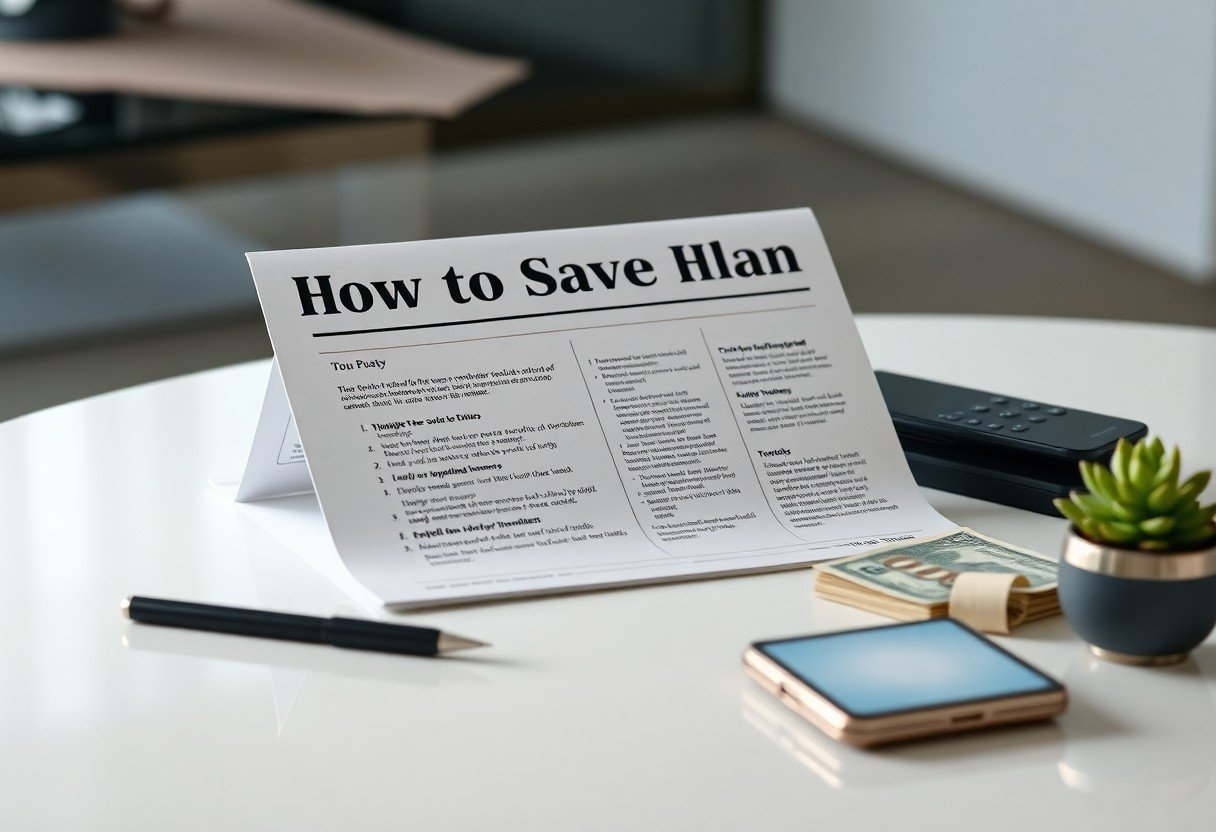
How to Save Money
You can save steadily by tracking spending, trimming recurring costs, and automating transfers to a savings account; prioritize building an emergency fund and reducing high-interest debt to protect your cash flow and avoid costly interest.
Budgeting Strategies
You should choose a system that fits your life – zero-based, 50/30/20, or envelope methods – and track every expense for a month to spot leaks. Set limits, adjust categories, automate savings, and guard against overspending on noncrucials to make progress predictable and sustainable.
Investment Basics
You begin by assessing your goals, time horizon, and risk tolerance, then build a mix of low-cost funds and diversified holdings. Protect yourself against market volatility by focusing on long-term plans; let compound interest work for you while you maintain a diversified approach.
You should start by funding tax-advantaged accounts, such as IRAs or 401(k)s, and favor index funds or ETFs with low fees; high fees can erode returns over time. Contribute regularly, rebalance annually, and use diversification to limit single-asset exposure while taking advantage of long-term growth.
How to Travel Smart
When you travel smart, you prioritize efficiency and safety to get the most from every trip: plan routes, book at optimal times, and pack for adaptability. Keep digital and physical copies of documents, set travel alerts, and scan your passport and insurance. Use local research to avoid high-risk areas and scams while maximizing comfort.
Packing Hacks
You can save space and stress by rolling garments, using packing cubes, and creating an outfit plan. Keep a change of clothes and meds in your carry-on, label chargers, and never put valuables in checked baggage. Carry a small laundry kit to extend your wardrobe and speed through security.
Budget Travel
You should travel off-season, set fare alerts, and remain flexible with dates and airports to cut costs. Eat where locals go, use public transit, and book refundable stays. Be vigilant about offers that seem too good to be true-watch for scams-and use cash where card fees are excessive.
Track your expenses with a simple app and set a daily limit so you don’t overspend; track expenses daily. Leverage travel rewards and no-foreign-transaction cards, compare currency exchange options, and avoid dynamic currency conversion at point-of-sale. Consider shared housing or hostels to stretch your budget further.
How to Grow Plants
You can grow healthy plants by matching species to light and soil, using good drainage and a balanced feeding schedule; consistent light and well-draining soil are the most important factors. Avoid overwatering because root rot from excess moisture is dangerous, and note that regular pruning and proper fertilization quickly boost growth.
Indoor Gardening
When you garden indoors, select plants suited to your light levels and use pots with drainage; place plants where they get bright, indirect light and rotate them for even growth. Watch humidity because stagnant, dry air can invite pests and disease, and consider self-watering systems to maintain steady moisture.
Plant Care
To care for your plants, water according to species and soil moisture rather than a calendar; overwatering is risky so check the topsoil before you water. Feed with a balanced fertilizer during active growth, prune to encourage vigor, and inspect regularly so early pest detection prevents major infestations.
You should monitor leaf color and growth rate as signs of nutrient or water issues; yellowing can indicate overwatering or nutrient deficiency. Test soil pH occasionally and repot when roots circle the pot; avoid chemical overuse because improper pesticide or fertilizer use can harm beneficial organisms, and use organic options when possible for healthier long-term results.
How to Build Websites
When you build websites, you plan structure, content, and functionality to serve users. Focus on performance, security, and accessibility. You choose a stack, set up deployment pipelines, and monitor metrics so your site scales, stays reliable, and meets user needs.
Design Principles
You prioritize a clear information flow and visual hierarchy so users find what they need quickly; use whitespace, readable typography, and responsive layouts. Avoid jarring patterns-poor contrast and inconsistent navigation are dangerous to engagement, while consistent branding and accessible design are positive for trust and retention; emphasize clear hierarchy.
Coding Basics
You start with semantic HTML, modular CSS, and unobtrusive JavaScript so your code remains maintainable. Prioritize input validation, linting, and dependency management; outdated libraries and unsanitized input are dangerous, whereas automated tests and clear APIs are positive for long-term stability.
Master the box model, DOM manipulation, and asynchronous patterns while using version control and component-driven development. Set up CI/CD and run security scans regularly; a single misconfigured endpoint can be dangerous, while strong typing, clear component boundaries, and good documentation are positive for collaboration and future-proofing.
How to Learn Languages
You need a clear how-to plan mixing input and output; focus on vocabulary, grammar, listening, and speaking. Use spaced repetition and real conversations to build fluency, and balance intensity with rest so you avoid burnout, which can be dangerous to progress. The roadmap keeps your goals measurable.
- how-to: plan and practice
- learn languages: mix input/output
- immersion: daily exposure
Study Methods
You should use spaced repetition, focused grammar drills, and contextual learning so new items stick. Pair deliberate study with varied materials to avoid plateaus; intensive solo marathons can be dangerous for motivation, while short consistent sessions are positive for retention.
Practice Tips
You must prioritize speaking and feedback: record yourself, shadow native audio, and seek corrections from tutors or language partners. Balance accuracy with fluency by embracing mistakes as learning opportunities, and use real tasks that feel meaningful to you. The best practice amplifies progress.
- how-to: speaking and feedback
- practice tips: shadowing, recording
- consistency: daily short sessions
You should create simulated environments to practice under pressure, like timed conversations or role-plays; track mistakes and set micro-goals to fix patterns. Prioritize active retrieval over passive review because it builds skill. The focused repetition targets weak points efficiently.
- practice tips: role-play, timed talks
- feedback: tutor corrections
- active recall: retrieval practice
To wrap up
From above, you now have ten concise, keyword-focused “how-to” headlines that position your posts as practical guides; you can adapt them to your niche, A/B test small wording changes for SEO and engagement, and use them to speed content planning while keeping a clear promise to your readers. Apply these titles consistently to improve clarity, discoverability, and conversion of your blog content.